Digital Citizenship (PYP Year 5A)
Digital citizenship is the capacity to participate actively, continuously and responsibly in communities online and offline, through competent and positive engagement with digital technologies (by creating, working, sharing, socializing, investigating, playing, communicating and learning).
Protect Your Privacy and Security:
As a user of digital media, it is our duty to stay safe on the Internet. In order to do that, there are few things which we need to follow.
1. Setting up strong password and keep your personal information private:
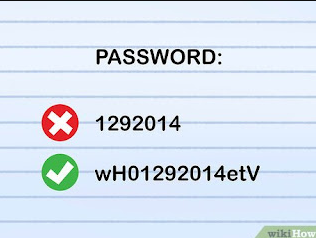
At first, we have to set strong passwords for our accounts and be careful about what kind of content we share on digital media.
Filling strong passwords is important because, multiple hackers could hack your account due to easy passwords. Never share your passwords or pass keys to anyone even if it is your family member or friends, they might not be trusted and see the things you post, play, or even do. We have to set strong passwords (example; special characters, numbers, and a mixture of uppercase and lowercase letters). To avoid this, you should make secure safe passwords like: G7#kL9@vQ2! zX8$wR4
We should be careful about what kind of content we share on digital media. We cannot share our personal information (e.g. name, address, date of birth, email id, etc.) If we do so, it will be easier for the hackers to hack our account.
2. Practice respectful behavior:
Practicing respectful behavior online involves treating others with empathy, kindness, and dignity, just as you would in person.
It is our duty to treat others respectfully on the internet, since we often forget that there are real people behind the screen. It is our responsibility to make digital media a place where everyone can co-exist with and respect each and every one with kindness.
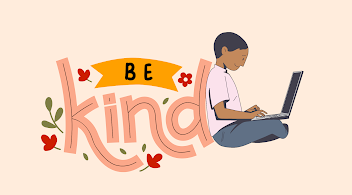
So being kind is not just a choice it’s a necessity.
Cyberbullying is unacceptable and impolite considering that it can make people feel unvalued and heartbroken. So, to stop it, we should not abuse or bully others digitally in social media.
How cyberbullying can affect others:
Cyberbullying causes profound, long-lasting, and often invisible harm, impacting victims mentally, emotionally, and physically. It is a shame or can adapt anxiety which also cause depression, loneliness, and in some cases can led to suicide.
3. Be a Responsible Creator and Consumer:
Being a responsible citizen involves balancing rights with responsibilities to make a safe, moral and peaceful interactions with technological objects making sure your digital (both making and taking) line up real-world values and ethics.
It really means to be a good person online. It is about choosing kindness in your comments, being honest in what you share, and remembering that there is a real human being on the other side of the screen. When you try to post things that are helpful or positive, and when you disagree with someone, you do it respectfully, without giving any negative comments.
You do not have to be perfect—you just try to act in the way that matches your values. When you show empathy, think before you speak, and care about how your words affect others, you help make the internet a better place.
Moreover, we should all be responsible about creating original or our own content as well as consume others’ content. We are not allowed to repost or copy paste others’ contents without their consent. But if we do want to, then we should give credit and try making one of our own, instead of directly copy pasting others’ content. Otherwise, it will lead to copyright issues and we should be aware of this.
Some examples include……. A music producer made a new album and posted in his social media and within hours, it got copied without their consent and people started making reels with his new album. Since it was one of the latest and really popular tracks, many people used it without giving any credits. Another example is that if one person made a poster work that is about helping the people who are disabled and are in poverty, many people will see it and if it gets a lot of views then many people might copy that same poster and share it without proper intention.
So, these activities do not make us a good digital citizen. We have to give credits wherever required and we should not steal anyone’s work.
4. Maintaining health and balance:
Maintaining health and balance a digital citizen involves managing relations with technology to make sure that it can make your life better instead of controlling it.
It means not letting your screen take over your life. It is about knowing when to log off, setting a screen-time and getting enough sleep, spending time with family and friends, and doing things you enjoy too. It is our duty to have a fixed schedule, since we cannot get too distracted on digital media. We also have to be careful about whom we talk with and how we use digital media, since it can deeply affect our mental health. If someone gets cyberbullied, then it can affect the person who got cyberbullied to feel unconfident, have anxiety and depression and lower their self-esteem in general.
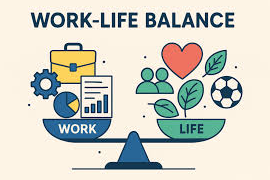
It also depends like in social interaction where people get too much addicted to social programs. It can also lower memory and attention span. For example, remembering long term important events can become more difficult to remember. This is because sometimes our mind is fully occupied on things that is going on social media and we have a tendency now to follow the latest reels or trends on social media and we try to copy them. It is very important to keep a healthy balance between our personal life and social media (virtual) life.

You may also like

CHAMPIONS OF THE AURORA UNITY CUP 2026